

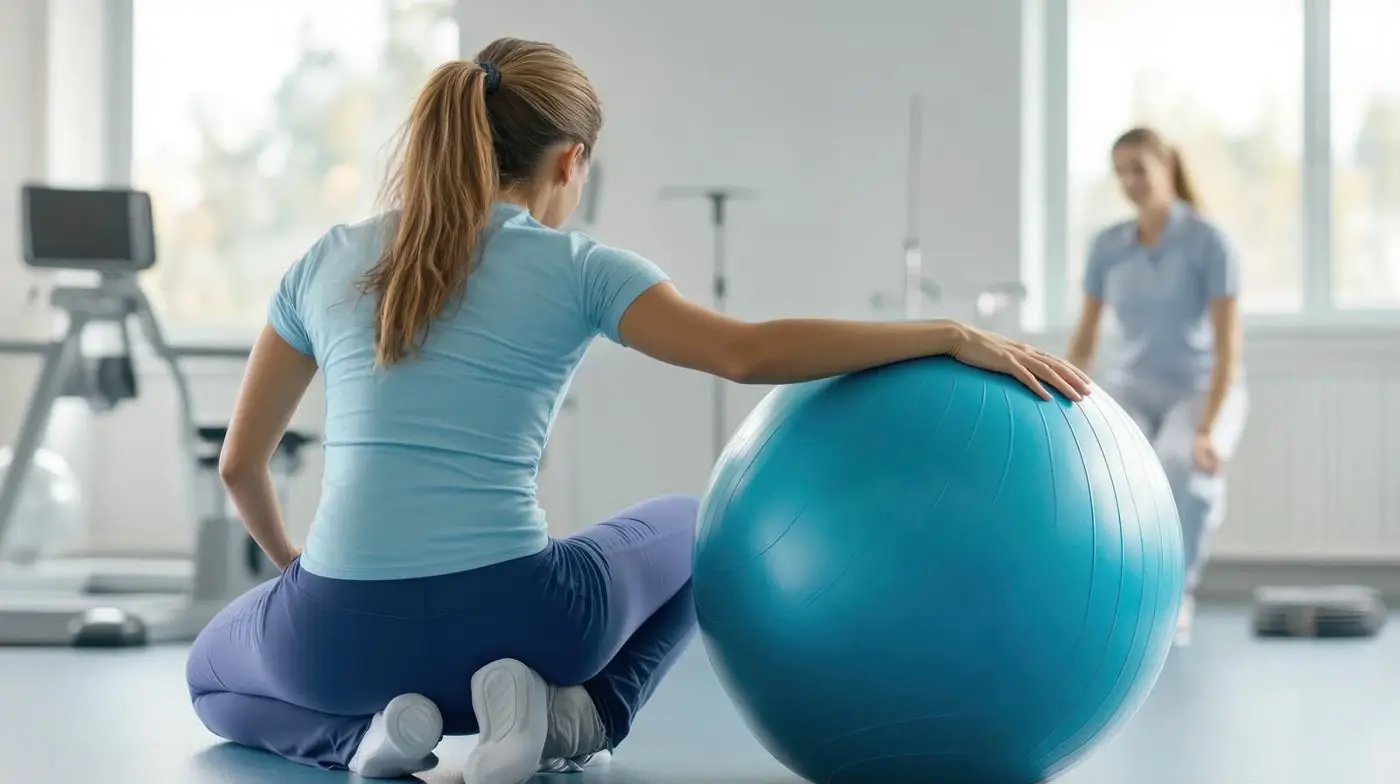
Your pelvic floor supports your bladder, bowel and pelvic organs. When it is weak, overactive or poorly coordinated, it can cause leaking, urgency, heaviness or pain.

Understanding your pelvic floor
The pelvic floor is a group of muscles that sits like a hammock at the base of your pelvis. It supports your bladder, bowel and, in women, the uterus. It helps control when you pass urine and open your bowels, supports your spine, and plays a role in sexual function.
Like any muscle group, the pelvic floor can become weak, overactive or poorly coordinated. This can happen after pregnancy and birth, with age, menopause, chronic constipation, heavy lifting, high-impact sport or surgery.
Signs of pelvic floor problems
Common signs include leaking with exercise or coughing, sudden urgency, frequent toilet trips, getting up at night, difficulty fully emptying, a feeling of heaviness or a bulge, wind or bowel leakage, and pelvic or intimate pain.
Pelvic floor problems affect men too, particularly after prostate surgery.
How pelvic floor physiotherapy works
Your physiotherapist will assess how your pelvic floor contracts and relaxes, and how it coordinates with your breathing, posture and deep abdominal muscles. Many people are surprised to learn they have been doing pelvic floor exercises incorrectly for years.
Based on your assessment, we design a programme to strengthen, relax or retrain the muscles, alongside bladder habits, fluid advice and lifting technique. Biofeedback can help you see and feel how the muscles are working.
Tips you can start today
Avoid going to the toilet 'just in case', drink enough water through the day, limit caffeine and fizzy drinks, avoid straining on the toilet, and try to keep a healthy weight. Gentle, regular pelvic floor exercises help most people, but an assessment ensures you're doing them correctly.
When to seek medical advice
See your GP if you have blood in your urine or stool, pain when passing urine, fever, or a sudden change in bladder or bowel habits.
Pelvic floor physio in Slough and Ealing
Pelvic floor physiotherapy is available at both Gogodoc Physio clinics, for women and men. Appointments are private and unhurried, and you can book directly.
Pelvic Floor conditions we treat in Slough & Ealing
- Stress incontinence
- Leaking with coughing, sneezing or lifting.
- Urgency & frequency
- Rushing to the toilet or going too often.
- Prolapse
- Heaviness, dragging or a bulge.
- Pelvic floor tension
- Overactive muscles causing pain.
- After surgery
- Rehab after hysterectomy or prostate surgery.
- Bowel control
- Wind or bowel leakage and urgency.
More conditions we help with
- Leaking when coughing or sneezing
- Stress urinary incontinence, the most common pelvic floor problem.
- Leaking when exercising
- Leakage when running, jumping or lifting weights.
- Men's pelvic health
- Bladder control after prostate surgery, and pelvic pain in men.
- Pelvic organ prolapse
- Heaviness or dragging, treated with exercise and pessary support guidance.
- Overactive pelvic floor
- Pain or difficulty emptying caused by muscles that cannot relax.
- Kegel exercises done properly
- Individual checking and coaching, as many people do them incorrectly.
- Constipation and straining
- Toileting position, breathing and muscle coordination.
Not sure if we can help? See our A–Z of conditions we treat or call 020 3371 0995.
What happens at your first appointment
- A detailed, private discussion about your bladder, bowel and pelvic symptoms
- A bladder diary may be suggested to bring to your next visit
- An external assessment of posture, breathing and abdominal muscles
- An optional internal assessment of pelvic floor strength, only with your consent
- A clear explanation of what is happening and why
- A personalised pelvic floor programme you can start the same day
Pelvic health for men
Pelvic floor physiotherapy is not only for women. We treat men with bladder leakage after prostate surgery, urgency and frequency, post-micturition dribble, and pelvic or groin pain.
Starting pelvic floor training before prostate surgery, and continuing afterwards, can speed up the return of bladder control. Appointments are private and fully explained, and you will be taught exactly how to find and train the right muscles.
Related classes
| Day | Time | Class | Clinic | Level |
|---|---|---|---|---|
| Wed | 19:30 | Pelvic Floor Strength | Slough | Women's health |
See the full timetable and book a class
Pelvic Floor treatments and techniques
- Pelvic floor training
- Correct technique and progressive exercise.
- Biofeedback
- See how your muscles are working.
- Bladder retraining
- Reduce urgency and frequency.
- Relaxation techniques
- For overactive pelvic floor muscles.
- Lifestyle advice
- Fluids, toileting habits and lifting.
- Pessary guidance
- Advice on prolapse support options.
Your pelvic floor recovery timeline
- First visitAssessment and first exercises.
- Weeks 2–6Technique refined and habits built.
- Weeks 6–12Most people notice clear improvement.
- OngoingMaintenance programme.
Pelvic Floor prices
- Initial women's health assessment60 min£85
- Follow-up treatment45 min£65
Self-pay prices. Insured? We can bill most major insurers directly. All prices
Who pelvic floor physiotherapy is for
Women and men with bladder or bowel control problems, pelvic heaviness, pelvic pain or recovery after pelvic surgery.
You may benefit if you notice: leaking with exercise or coughing; rushing to the toilet; getting up at night to pass urine; heaviness or bulging; pelvic pain or discomfort.
Pelvic Floor Physiotherapy: frequently asked questions
Will I need an internal examination?
How many sessions will I need?
Do you treat men?
Does pelvic floor physio really work?
How do I know if I am doing pelvic floor exercises correctly?
Can men have pelvic floor physiotherapy?
How long does pelvic floor physio take to work?
Book pelvic floor physiotherapy near you
Appointments are available at Gogodoc Physio Slough, for patients from Slough, Langley, Burnham, Farnham Royal, Windsor, Cippenham and Iver, and Gogodoc Physio Ealing, for patients from Ealing Broadway, West Ealing, Hanwell, Acton, Southall and Greenford.
Pelvic floor physiotherapy treats bladder leakage, urgency, prolapse symptoms, pelvic pain and bowel control problems by retraining the pelvic floor muscles. NICE recommends supervised pelvic floor training as first-line treatment for stress incontinence. Gogodoc Physio offers it to women and men in Slough and Ealing.
Reviewed by the Gogodoc Physio clinical team, led by Sen Ramanathan, Clinical Director, Principal Practitioner · Updated October 2026This guide is general information and not a substitute for individual clinical advice. For severe or sudden symptoms, contact your GP or NHS 111.